15 min read
TL;DR
- The greenwashing trap is real: The FDA has no legal definition of "natural" for cosmetics, meaning products labeled "natural" can contain mostly synthetic ingredients. Look for third-party certifications like USDA Organic, COSMOS-standard, or EWG Verified instead.
- Price premium is 1.5–2.5× conventional: Natural body lotion typically costs $15–$45 vs. $8–$15 for conventional equivalents, but ingredient transparency and shorter shelf life (6–18 months vs. 2–3 years) explain the difference.
- Ingredient literacy is your best defense: Parabens, SLS, synthetic fragrance, phthalates, and PEGs are the five ingredients to avoid. Shea butter, jojoba oil, aloe vera, chamomile, and vitamin E are evidence-backed beneficial alternatives.
Introduction
Shopping for natural body care products online feels straightforward until you realize how many products claim to be "natural" while containing synthetic fillers. Based on our analysis of ingredient databases, regulatory guidance, and market research, the natural body care space is flooded with greenwashing – vague marketing claims that exploit consumer desire for cleaner products without delivering on the promise.
Here's what makes this guide different: instead of listing products, we're giving you the tools to evaluate any natural body care product independently. You'll learn which certifications actually mean something, which ingredients to seek out, what red flags to spot on product pages, and realistic pricing benchmarks so you don't overpay for marketing hype.
The global natural and organic personal care market reached US$ 21.97 billion in 2025 and is projected to grow at a 3.7% CAGR through 2035 – but growth doesn't equal quality. Your job as a shopper is to cut through the noise.
What Are Natural Body Care Products?
Natural body care products are formulated primarily with plant-derived, mineral, or naturally occurring ingredients rather than synthetic chemicals. But "natural" is where the definition gets murky.
Here's the critical distinction: the FDA has not defined "natural" for cosmetics, meaning a product labeled "natural" or "made with natural ingredients" can legally contain synthetic ingredients alongside plant-based ones. There's no regulatory floor.
Organic is different. Products labeled "USDA Organic" must contain at least 95 percent organically produced ingredients (excluding water and salt). This is verifiable through the USDA Organic Integrity Database.
Clean beauty is another term you'll encounter – it's even vaguer than "natural" and typically refers to products free from certain controversial ingredients (parabens, SLS, phthalates), but there's no legal standard.
Common natural body care product categories include:
- Body wash & cleansers (typically $12–$20)
- Body lotion & creams ($15–$45)
- Soap bars ($8–$20, often handmade)
- Deodorant ($12–$25)
- Body scrubs & exfoliants ($14–$28)
- Body oils ($18–$40)
The key takeaway: "natural" on a label is marketing language, not a guarantee. Certifications and ingredient lists are your actual proof.
Key Takeaway: "Natural" is unregulated on cosmetic labels. Verify products through USDA Organic certification, COSMOS-standard, or EWG Verified – not marketing claims alone.
How Do You Spot Greenwashing When Shopping Online?
Greenwashing in natural body care exploits three consumer vulnerabilities: desire for health benefits, environmental guilt, and trust in vague terminology.
Common Greenwashing Tactics
1. Vague ingredient percentages A product labeled "made with natural ingredients" might contain only 5–10% plant-derived content. The rest? Water, synthetic emulsifiers, and preservatives. The FTC's Green Guides explicitly warn that unqualified "natural" claims are difficult to substantiate and may mislead consumers.
2. Buzzwords without meaning Terms like "eco-friendly formula," "natural-inspired," "clean," and "green" have no legal definition. They're designed to feel reassuring without committing to anything verifiable.
3. Hidden synthetic ingredients under "fragrance" This is the most deceptive tactic. Fragrance is a vague term that may contain up to 100+ undisclosed ingredients. Within that fragrance blend, manufacturers can hide phthalates (endocrine disruptors), synthetic musks, and other chemicals without listing them individually. The reason? Fragrance formulas are trade secrets protected by law.
Certifications That Actually Matter
USDA Organic: Products labeled "USDA Organic" must contain at least 95 percent organically produced ingredients. You can verify any brand's certification in real time through the USDA Organic Integrity Database. This is the gold standard for agricultural ingredients.
COSMOS-standard: COSMOS-standard defines natural cosmetics as products formulated with a natural origin index of at least 95% of total ingredients, as defined in ISO 16128. It's the leading European certification and is more rigorous than a "natural" label claim alone.
EWG Verified: EWG VERIFIED products meet EWG's strictest standards: no EWG chemicals of concern, full ingredient disclosure, and good manufacturing practices. You can verify status on EWG's website.
Red-Flag Buzzwords Checklist
When scanning product pages, watch for these unsubstantiated claims:
- ✗ "Natural-inspired" (contains synthetic alternatives)
- ✗ "Eco-friendly formula" (undefined)
- ✗ "Clean beauty" (no legal standard)
- ✗ "Made with natural ingredients" (could be 1% natural)
- ✗ "Dermatologist-tested" (doesn't mean safe or effective)
- ✗ "Hypoallergenic" (no FDA definition; not regulated)
- ✓ "USDA Organic" (verifiable)
- ✓ "COSMOS Certified" (third-party audited)
- ✓ "EWG Verified" (ingredient-screened)
How to Read Reviews for Red Flags
Online reviews reveal what marketing hides. Look for patterns:
- Complaints about texture or smell (natural products often smell different – earthy, not perfumed)
- Skin reactions in sensitive-skin users (fragrance is the #1 culprit)
- Short shelf life or separation (natural preservatives are less stable)
- Discrepancy between marketing claims and actual results
Key Takeaway: Verify certifications through official databases (USDA Organic Integrity, COSMOS, EWG), avoid vague buzzwords, and check reviews for fragrance-related reactions – the #1 complaint in natural body care.
Key Ingredients to Look For (and Avoid)
Ingredient literacy is your superpower when shopping online. You can't physically test products, so understanding what's actually in the formula is your only defense against misleading marketing.
Beneficial Natural Ingredients (Evidence-Backed)
Shea Butter Shea butter's fatty acid composition (oleic 40–60%, stearic 20–50%) and triterpene content confer emollient and anti-inflammatory properties confirmed in multiple clinical studies. Best for dry skin. Comedogenicity rating: 0–2 (non-clogging).
Jojoba Oil Jojoba oil is a liquid wax with a composition similar to human sebum. Its non-comedogenic rating of 2 makes it suitable for oily or combination skin. Unlike coconut oil (which rates 4/5 for clogging), jojoba won't trigger breakouts.
Aloe Vera Aloe vera demonstrates anti-inflammatory activity in clinical studies, with acemannan polysaccharides shown to accelerate wound healing and reduce skin inflammation. Effective for irritated or sunburned skin. Check ingredient position – higher = more concentration.
Coconut Oil (with caution) Coconut oil has a comedogenicity rating of 4 on a scale of 0–5, indicating a relatively high likelihood of clogging pores – a concern for acne-prone individuals. Avoid if you have oily or acne-prone skin, despite its popularity in natural formulations.
Chamomile Extract Bisabolol and apigenin derived from chamomile exhibit dose-dependent anti-inflammatory activity on keratinocytes, supporting their use in formulations targeting sensitive or reactive skin. Note: individuals allergic to ragweed or daisy family plants may cross-react.
Vitamin E (Tocopherol) Topical vitamin E reduces UV-induced skin damage, inhibits lipid peroxidation, and supports barrier function. It is most effective when combined with vitamin C in formulations. Also serves as a natural preservative, extending shelf life.
Ingredients to Avoid
Parabens (Methylparaben, Propylparaben, Butylparaben) Parabens exhibit weak oestrogenic activity in vitro. While current evidence does not conclusively demonstrate harm at typical cosmetic exposure levels, precautionary restrictions are in place in the EU. The EU restricts certain parabens; the US FDA has not banned them. This is a genuine scientific debate, but if you want to avoid them, natural alternatives exist.
Sodium Lauryl Sulfate (SLS) SLS causes dose-dependent damage to the skin barrier, increasing transepidermal water loss and irritant responses, particularly in atopic dermatitis patients. It's a harsh surfactant that strips natural oils. Many natural brands substitute with gentler options like glucosides or betaines.
Synthetic Fragrance (Parfum) Fragrance is a known human immune system toxicant and allergen; parabens are classified as potential endocrine disruptors. More critically, fragrance is the most common cause of cosmetic-related contact allergy. The term "fragrance" or "parfum" hides hundreds of undisclosed compounds, including phthalates.
Phthalates Diethyl phthalate (DEP) is widely used as a carrier/fixative in fragrance formulations. Several phthalates are prohibited in cosmetics under EU Annex II due to endocrine disruption potential. They're often hidden under "fragrance" on US labels.
PEGs (Polyethylene Glycols) 1,4-Dioxane is a byproduct of the ethoxylation process used to make PEG compounds. FDA has found it as a contaminant in personal care products at low ppb levels. Natural formulations avoiding PEGs eliminate this exposure pathway.
Ingredients Comparison Table
| Ingredient | Type | Best For | Avoid If | Hazard Level |
|---|---|---|---|---|
| Shea Butter | Natural | Dry skin | None (generally safe) | Low |
| Jojoba Oil | Natural | Oily/combination | None | Low |
| Aloe Vera | Natural | Irritated/sensitive | Ragweed allergy | Low |
| Coconut Oil | Natural | Dry skin | Acne-prone | Medium (comedogenic) |
| Chamomile | Natural | Sensitive skin | Daisy family allergy | Low |
| Vitamin E | Natural | All skin types | None | Low |
| Parabens | Synthetic | Preservation | Endocrine concerns | Medium |
| SLS | Synthetic | Cleansing | Sensitive/eczema skin | Medium-High |
| Synthetic Fragrance | Synthetic | Scent | Fragrance sensitivity | High (allergen) |
| Phthalates | Synthetic | Fragrance fixative | Endocrine concerns | High |
| PEGs | Synthetic | Emulsification | Dioxane contamination risk | Medium |
Ingredients for Specific Skin Concerns
Dry Skin: Prioritize shea butter, jojoba oil, and vitamin E. Avoid SLS and alcohol-based formulations that strip moisture.
Oily/Acne-Prone Skin: Choose jojoba oil (non-comedogenic) over coconut oil. Look for salicylic acid or tea tree oil in natural formulations. Avoid heavy butters.
Sensitive Skin: Seek chamomile, aloe vera, and vitamin E. Avoid fragrance entirely – look for "fragrance-free" (not "unscented," which may contain masking fragrances). Check for known sensitizers like bergamot, lavender, and cinnamon bark at high concentrations.
Key Takeaway: Shea butter and jojoba oil are evidence-backed moisturizers; avoid SLS, synthetic fragrance, and PEGs. Match ingredients to your skin type – jojoba for oily, shea for dry, chamomile for sensitive.
What to Expect When Buying Natural Body Care Online
Natural products behave differently than conventional ones. Understanding these differences prevents post-purchase disappointment and helps you set realistic expectations.
Price Benchmarks (US Market, 2025–2026)
Natural body care products typically cost 1.5–2.5× conventional equivalents:
- Natural body lotion: $15–$45 (vs. $8–$15 conventional)
- Natural soap bars: $8–$20 (vs. $3–$8 conventional)
- Natural deodorant: $12–$25 (vs. $5–$10 conventional)
- Natural body wash: $12–$20 (vs. $6–$12 conventional)
Cost-per-use math: A $30 natural lotion (8 oz) lasts roughly 3–4 months with daily use. That's $7.50–$10 per month. A $10 conventional lotion lasts 6–8 weeks. The gap narrows when you factor in concentration and efficacy.
Starter routine budget: Natural lotion ($18) + soap bar ($10) + body wash ($16) = $44 total, vs. conventional equivalents at ~$22. You're paying roughly 2× for ingredient transparency and formulation quality.
Shelf Life Reality
Without synthetic preservatives, natural formulations are more susceptible to microbial contamination and oxidation, shortening typical shelf life to 6–18 months after opening.
Conventional products with synthetic preservatives last 2–3 years open.
What this means: Check the PAO (Period After Opening) symbol on packaging – it looks like an open jar with a number (e.g., "12M" = 12 months after opening). Natural products will have shorter PAO windows. Store in cool, dry places away from direct sunlight to extend shelf life.
Texture & Scent Differences
Texture: Natural body lotions often feel greasier initially because they lack silicones (which create a "dry" feel). This is normal. The lotion absorbs within 5–10 minutes. If it doesn't, the formulation may be too heavy for your skin type.
Scent: Natural products smell earthy, herbal, or faintly botanical – not the strong synthetic fragrance of conventional products. Some shoppers find this refreshing; others miss the familiar scent. Read reviews to gauge scent intensity before purchasing.
Separation: Natural products may separate (oil rises to the top) because they lack synthetic emulsifiers. Shake before use. This is a sign of minimal additives, not a defect.
Reading Online Reviews for Natural Products
Natural product reviews often mention:
- Texture complaints (too greasy, doesn't absorb) – usually a skin-type mismatch, not a product flaw
- Fragrance reactions (itching, redness) – indicates fragrance sensitivity; look for fragrance-free alternatives
- Short shelf life (separation, smell change) – expected with natural preservatives; check storage conditions
- Price concerns (too expensive) – valid, but factor in concentration and per-use cost
Prioritize reviews from users with your skin type. A "too heavy" complaint from oily-skin users doesn't apply to dry-skin shoppers.
Fair Pricing Per Ounce
To compare products fairly, calculate cost per ounce:
- Product A: $30 for 8 oz = $3.75/oz
- Product B: $45 for 16 oz = $2.81/oz
Product B is cheaper per ounce despite the higher sticker price. This matters for concentrates and oils.
Key Takeaway: Natural body care costs 1.5–2.5× conventional but lasts longer per use. Expect 6–18 month shelf life (check PAO symbol), earthy scents, and possible separation. Calculate cost per ounce to compare fairly.
How to Choose the Right Natural Body Care Products for Your Routine
Building a natural body care routine doesn't require buying everything at once. Here's a practical five-step process to select products that match your needs and budget.
Step 1: Identify Your Skin Type
Before shopping, determine whether your skin is dry, oily, combination, or sensitive. This filters out incompatible products immediately.
- Dry skin: Feels tight, flaky, or uncomfortable. Prioritize shea butter, jojoba oil, and rich creams.
- Oily skin: Feels greasy by midday. Choose lightweight oils (jojoba, not coconut) and gel-based formulations.
- Combination: Oily in some areas, dry in others. Use targeted products (lightweight lotion on oily zones, richer cream on dry areas).
- Sensitive: Reacts to fragrance, SLS, or certain botanicals. Start with fragrance-free, minimal-ingredient formulations.
Step 2: Set Your Budget
Decide how much you're willing to spend upfront. Natural body care routines scale:
- Budget tier ($40–$50): One multi-use product (body wash or lotion) + one soap bar. Start here to test your skin's response.
- Mid-tier ($80–$100): Body wash + lotion + soap bar + targeted treatment (oil or scrub).
- Full routine ($130+): Body wash + lotion + soap bar + deodorant + oil + scrub + specialty treatment.
Don't overspend initially. Test one or two products first to ensure compatibility.
Step 3: Check Certifications
Before reading ingredients, verify third-party certifications:
- ✓ USDA Organic (verify in USDA Organic Integrity Database)
- ✓ COSMOS-standard (check brand's website)
- ✓ EWG Verified (search EWG's database)
Certified products have passed independent audits. This single check eliminates most greenwashing.
Step 4: Read the Ingredient List
Scan the ingredient list (listed in descending order by concentration) for:
- Beneficial ingredients in the top 5: shea butter, jojoba oil, aloe vera, chamomile, vitamin E
- Red flags anywhere: parabens, SLS, synthetic fragrance, phthalates, PEGs
- Fragrance disclosure: Look for "fragrance-free" (not "unscented")
If you see "fragrance" or "parfum" listed, assume it contains undisclosed compounds. If you have fragrance sensitivity, skip it.
Step 5: Check Reviews from Your Skin Type
Filter reviews by skin type (if the platform allows) and look for:
- Texture feedback (does it absorb? feel greasy?)
- Scent intensity (is it strong or subtle?)
- Shelf life observations (did it separate? last as long as expected?)
- Reaction reports (any itching, redness, or breakouts?)
Prioritize recent reviews (within 6 months) as formulations can change.
Product Category Breakdown
Body Wash: Entry point for natural routines. Look for SLS-free formulations with plant-based cleansers (coconut glucoside, decyl glucoside). Price: $12–$20.
Body Lotion: Core product. Choose based on skin type (lightweight for oily, rich for dry). Price: $15–$45.
Soap Bars: Versatile and long-lasting. Handmade bars often contain shea butter or coconut oil. Price: $8–$20.
Deodorant: Natural options use baking soda, arrowroot, or mineral salts instead of aluminum. Note: they're less effective than antiperspirants (which stop sweating). Price: $12–$25.
Body Scrubs: Exfoliate with sugar, salt, or ground seeds. Use 1–2× weekly. Price: $14–$28.
Budget Routine Examples
Starter Routine ($44):
- Natural body wash ($16)
- Natural soap bar ($10)
- Natural body lotion ($18)
Mid-Tier Routine ($95):
- Natural body wash ($16)
- Natural body lotion ($25)
- Natural soap bar ($12)
- Natural body oil ($18)
- Natural deodorant ($14)
- Natural body scrub ($10)
Full Routine ($150+):
- All of the above, plus specialty treatments (targeted serums, masks, or premium brands)
Where to Shop
Online retailers curate natural products with varying levels of rigor:
- Credo Beauty (credobeauty.com): Curated natural-only retailer; all products screened for clean ingredients. Higher prices but vetted selection.
- Thrive Market (thrivemarket.com): Membership-based; focuses on organic and natural products with transparent sourcing.
- iHerb (iherb.com): Wide selection of natural brands; good for price comparison and international options.
- Amazon (amazon.com): Largest selection but requires careful vetting; use certifications and reviews as filters.
- Direct from brands: Many natural brands sell directly from their websites, often with better pricing and sample programs.
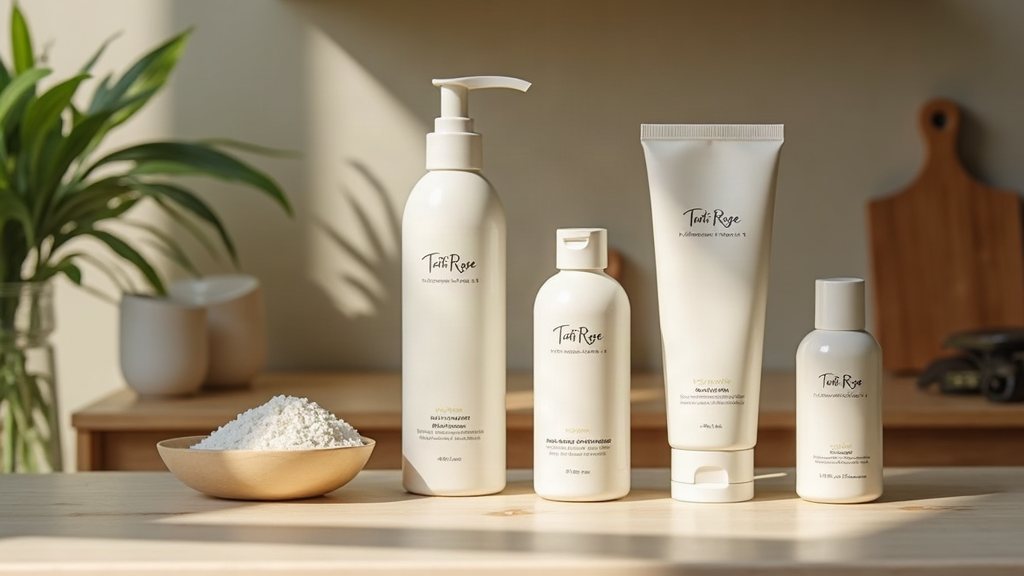
For boutique, handmade options, Tuti Rose offers curated natural skincare and body care products including lip gloss, lip liners, blush, and mascara alongside body care essentials. Their focus on natural formulations and transparent ingredient sourcing makes them a solid option for shoppers prioritizing ingredient integrity.
Key Takeaway: Follow the five-step process: identify skin type → set budget → verify certifications → scan ingredients → check reviews. Start with a $40–$50 starter routine before committing to a full regimen.
Frequently Asked Questions About Natural Body Care Online
Are natural body care products more expensive than conventional ones?
Direct Answer: Yes, natural products typically cost 1.5–2.5× conventional equivalents at the sticker price. However, per-use cost is closer when you factor in concentration and shelf life.
A $30 natural lotion (8 oz) lasts 3–4 months with daily use ($7.50–$10/month). A $10 conventional lotion lasts 6–8 weeks ($10–$15/month). The gap narrows significantly. Additionally, natural products often contain higher concentrations of active ingredients, meaning you use less per application.
How do natural body care products compare to organic-certified products?
Direct Answer: "Organic" is a legal standard; "natural" is not. USDA Organic products must contain at least 95% organically produced ingredients, verified through third-party audits. "Natural" products have no regulatory definition – they can contain mostly synthetic ingredients.
All USDA Organic products are natural, but not all natural products are organic. If you want the highest standard, prioritize USDA Organic or COSMOS-certified products.
What certifications should I look for when buying natural body care online?
Direct Answer: Three certifications carry real weight: USDA Organic, COSMOS-standard, and EWG Verified. Each requires independent audits and ingredient screening.
USDA Organic verifies agricultural ingredients meet NOP standards. ensures 95%+ natural origin index. EWG Verified screens all ingredients against EWG's hazard database. You can verify all three through official databases – no guessing required.
Can natural body care products cause skin reactions or allergies?
Direct Answer: Yes. Natural doesn't mean hypoallergenic. Fragrance is the most common cause of cosmetic-related contact allergy, and many natural products contain essential oils or plant extracts that are documented sensitizers.
Bergamot, lavender, cinnamon bark, and ylang ylang are common natural ingredients that trigger reactions in sensitive individuals. Additionally, some people are allergic to plant families (e.g., ragweed allergy + chamomile cross-reaction). Always patch-test new products on a small area first, especially if you have sensitive skin.
How long do natural body care products last once opened?
Direct Answer: Typically 6–18 months, depending on the product and preservative system. Check the PAO (Period After Opening) symbol on packaging – it looks like an open jar with a number.
Natural products without synthetic preservatives are more susceptible to contamination and oxidation. Store in cool, dry places away from direct sunlight. If a product smells off, separates excessively, or shows mold, discard it. Conventional products last 2–3 years open by comparison.
Is it safe to buy natural body care products from small online brands?
Direct Answer: Yes, if you verify certifications and read ingredient lists carefully. Small brands often have stricter quality control than mass-market alternatives. However, size doesn't guarantee safety – always check for third-party certifications.
Look for USDA Organic, COSMOS, or EWG Verified seals. Read reviews from users with your skin type. Check the ingredient list for red flags (parabens, SLS, synthetic fragrance). If a small brand can't provide transparent sourcing or certification, proceed with caution. Many reputable handmade natural soap bars and body care products come from small makers – the key is verification, not brand size.
Which natural body care products are best for sensitive skin?
Direct Answer: Fragrance-free formulations with minimal ingredients are safest. Prioritize products containing chamomile, aloe vera, and vitamin E. Avoid synthetic fragrance, SLS, and essential oils at high concentrations.
Look for the term "fragrance-free" (not "unscented," which may contain masking fragrances). Patch-test any new product on a small area first. If you have known plant allergies (ragweed, daisy family), avoid chamomile and related botanicals. Consider starting with a single-ingredient product (e.g., pure aloe vera gel) to test compatibility before layering multiple products.
Ready to Get Started?
For personalized guidance, visit Tuti Rose to learn how we can help.
Conclusion
Shopping for natural body care products online doesn't require blind trust in marketing claims. Armed with knowledge of certifications, ingredient literacy, and realistic pricing expectations, you can evaluate any product independently.
The greenwashing trap exists because "natural" is unregulated – but USDA Organic, COSMOS-standard, and EWG Verified are verifiable alternatives. Parabens, SLS, synthetic fragrance, phthalates, and PEGs are the five ingredients worth avoiding. Shea butter, jojoba oil, aloe vera, chamomile, and vitamin E are evidence-backed beneficial alternatives.
Natural body care costs more upfront (1.5–2.5× conventional), but per-use cost is competitive when you factor in concentration and shelf life. Start with a $40–$50 starter routine – body wash, lotion, and soap bar – before committing to a full regimen.
Your next step: identify your skin type, set a budget, verify certifications through official databases, and read reviews from users with similar skin concerns. The market is crowded, but the tools to shop smart are now in your hands.
More from Tuti Rose | Natural Skincare & Body Care Products: Tuti Rose | Natural Skincare & Body Care Products · Matching Legging Sets for Women: 2026 Style Guide