13 min read
TL;DR
- The EU bans 1,328 cosmetic chemicals vs. only 11 in the US, creating a significant regulatory gap that makes ingredient literacy essential.
- Natural body care products typically cost $12–$28 per item vs. synthetic equivalents at $4–$12, but the transition can be phased at ~$10–$20 per month.
- Over 80% of conventional skincare products contain at least one ingredient linked to potential health concerns, while natural alternatives reduce exposure to documented irritants like synthetic fragrance and SLS.
Introduction
Based on our analysis of consumer skincare research, dermatology studies, and regulatory documentation collected through 2026, the choice between natural and synthetic body care hinges on three core factors: ingredient safety, skin tolerance, and long-term health impact. This isn't a simple "natural always wins" argument – both categories have trade-offs worth understanding.
The reality: a staggering 90% of individuals use some form of personal care product daily, yet the FDA has not actually defined what "natural" means in cosmetics. This definitional gap leaves consumers navigating greenwashing, misleading labels, and genuine ingredient differences without clear guidance. This guide cuts through the noise by comparing specific ingredient categories, examining regulatory data, and providing a practical transition framework you can implement immediately.
What Is the Difference Between Natural and Synthetic Body Care?
Natural body care uses ingredients derived from plants, minerals, and animal byproducts with minimal processing – think shea butter, plant oils, and botanical extracts. Synthetic body care relies on lab-created chemicals designed to replicate or improve upon natural compounds. The distinction matters because processing method, regulatory oversight, and skin interaction differ significantly.
Here's the critical catch: the term "natural" is not regulated across the industry, meaning a product labeled "natural" may contain a small percentage of plant extract and the remainder synthetic fillers. Conversely, some synthetic ingredients (like lab-made hyaluronic acid) are chemically identical to natural versions but more stable and affordable.
Natural vs. Synthetic Ingredient Comparison
| Ingredient Category | Natural Example | Synthetic Equivalent | Key Difference |
|---|---|---|---|
| Moisturizer | Shea butter | Mineral oil | Shea delivers vitamins A & E; mineral oil is inert occlusive |
| Cleanser | Coco-glucoside | SLS (sodium lauryl sulfate) | Coco-glucoside gentler on skin barrier; SLS increases TEWL |
| Preservative | Rosemary extract | Parabens | Natural: 12–18 month shelf life; synthetic: 24–36 months |
| Fragrance | Essential oils | Synthetic "parfum" | Synthetic can contain up to 3,000 undisclosed chemicals |
| Thickener | Guar gum | Carbomers | Both effective; guar is plant-derived, carbomers synthetic |
The greenwashing risk is real: a 2023 study showed that nearly all skin care products marketed as "all-natural" actually contain ingredients that can trigger contact dermatitis, with more than 94% of the time containing agents known to cause contact dermatitis. This means "natural" ≠ "safe for everyone."
Key Takeaway: Natural and synthetic are processing categories, not safety guarantees. A product's safety depends on specific ingredients, concentration, and your individual skin response – not the label claim alone.
Why Does What You Put on Your Skin Actually Matter?
Your skin is your body's largest organ and a semi-permeable barrier. While the oft-cited "60% absorption rule" is not supported by dermatological evidence – absorption varies from <1% to >50% depending on the molecule, vehicle, and skin site – the principle remains: what you apply topically does enter your system to varying degrees.
Leave-on products such as moisturizers and body lotions have substantially higher dermal absorption potential than rinse-off products like body wash, making them a priority for ingredient scrutiny. This is why your daily body lotion matters more than your weekly exfoliating scrub.
Synthetic Ingredients Flagged by Dermatology Research
Parabens (methylparaben, propylparaben): Parabens were detected in 18 of 20 samples of human breast tissue, raising concerns about bioaccumulation. While causality with disease is not established, the presence of estrogenic compounds in tissue warrants caution.
Phthalates: Phthalate metabolites were detected in the urine of nearly all NHANES participants, indicating widespread exposure through personal care products. These compounds are linked to endocrine disruption in peer-reviewed literature.
Synthetic Fragrance ("Parfum"): The term "fragrance" can refer to a blend of up to several thousand chemical ingredients companies are not required to disclose. Fragrance is one of the most frequent causes of contact allergy, with studies showing sensitization rates in the general population.
SLS (Sodium Lauryl Sulfate): SLS increased transepidermal water loss (TEWL) significantly compared to coco-glucoside and other mild surfactants in a controlled irritation study, meaning it disrupts your skin's protective barrier more aggressively than gentler alternatives.
The regulatory gap amplifies these concerns: the EU bans 1,328 cosmetic chemicals while the US FDA bans only 11. This 120x difference means products legal in the US may be prohibited in Europe, reflecting divergent safety thresholds.
Key Takeaway: Synthetic chemicals accumulate in tissue and trigger allergic responses in measurable percentages of users. The regulatory gap between the EU and US means ingredient scrutiny is essential regardless of where you shop.
Top 6 Reasons to Choose Natural Body Care
1. Fewer Potentially Harmful Chemicals
Over 80% of conventional skincare products contain at least one ingredient linked to potential health concerns. Natural formulations typically exclude parabens, phthalates, synthetic musks, and synthetic fragrance – the compounds most frequently flagged in dermatology literature. This doesn't mean natural products are risk-free, but the ingredient list is more transparent and contains fewer compounds with documented bioaccumulation concerns.
2. Gentler for Sensitive or Reactive Skin
Synthetic ingredients must go through extensive safety testing and be approved by regulatory bodies before being used in skincare products, yet this testing occurs at population averages, not individual sensitivities. Natural ingredients like plant oils and botanical extracts often have longer safety histories through traditional use. For individuals with eczema, rosacea, or contact dermatitis, natural body care frequently reduces flare-ups – though individual responses vary.
3. Environmental Impact and Biodegradability
Synthetic surfactants (like SLS) and synthetic musks persist in aquatic ecosystems. Polycyclic musks including galaxolide and tonalide were detected in human blood and fish tissue, with concentrations in fish suggesting bioaccumulation in aquatic food chains. Natural surfactants (coco-glucoside, decyl glucoside) and plant-based fragrances biodegrade more readily, reducing aquatic toxicity. If environmental impact influences your purchasing, natural body care typically carries a lower ecological footprint.
4. Nutrient-Rich Ingredients
Shea butter contains significant concentrations of oleic and stearic acids, plus vitamins A and E, providing both emollient and antioxidant benefits. Mineral oil, by contrast, is an inert occlusive with no bioactive components. Natural body care delivers functional nutrients alongside hydration – a meaningful difference for skin health over time.
5. No Synthetic Fragrance – A Top Allergen
Fragrance is one of the most frequent causes of contact allergy, and synthetic fragrance blends can hide thousands of undisclosed chemicals. Natural body care using essential oils or botanical extracts offers transparency: you know what you're applying. This matters especially if you have fragrance sensitivity or are pregnant (certain essential oils carry contraindications).
6. Transparency in Labeling
Natural body care products typically feature shorter, readable ingredient lists (INCI format). You can pronounce the ingredients and cross-reference them against safety databases like EWG Skin Deep. Synthetic formulations often include trade-secret blends and proprietary compounds that obscure what you're actually using.
Key Takeaway: Natural body care reduces exposure to documented irritants, delivers bioactive nutrients, and offers ingredient transparency – three measurable advantages for sensitive skin and long-term health.
Are There Any Downsides to Natural Body Care Products?
Balanced assessment requires acknowledging real trade-offs. Natural body care isn't universally superior – it carries specific limitations you should understand before switching.
Shorter Shelf Life
Natural preservative systems typically yield 12–18 month shelf lives vs. 24–36 months for paraben-preserved products. This means natural body lotions expire faster and require careful storage (cool, dark places; airtight containers). You'll need to replace products more frequently, increasing long-term cost.
Natural Allergens Are Real
Essential oils, tree nut oils (coconut, almond), and plant extracts trigger contact dermatitis in susceptible individuals. Certain essential oils (clary sage, rosemary, camphor) are contraindicated during pregnancy, particularly in high concentrations. Natural ≠ hypoallergenic.
Price Premium
Natural body care typically costs $12–$28 per item vs. synthetic equivalents at $4–$12. Over a year, this represents a $96–$288 premium per product category. For budget-conscious consumers, this is a genuine barrier.
Performance Trade-Offs
Natural body care may lather less, feel greasier initially, or have subtle scents compared to synthetic formulations engineered for sensory appeal. Some users find the texture less luxurious or the fragrance less potent. This is subjective but worth testing before committing to a full switch.
Certification Landscape Matters
The FDA has not defined the term "natural" and has not established a regulatory definition for this term in cosmetic labeling. Look for third-party certifications instead:
- USDA Organic: ≥95% organically produced agricultural ingredients
- COSMOS Organic: ≥95% of plant-based ingredients organically produced; no synthetic dyes, fragrances, or silicones
- EWG Verified: Product screened against EWG's hazard criteria (not a government standard, but transparent methodology)
Without certification, "natural" on a label is marketing, not verification.
Key Takeaway: Natural body care has shorter shelf life, higher cost, potential allergens, and performance differences. Certifications (USDA Organic, COSMOS) provide verification; uncertified "natural" claims are unregulated.
How Do You Switch from Synthetic to Natural Body Care Without Overwhelm?
The transition doesn't require discarding your entire routine overnight. A phased approach reduces cost shock and allows your skin to adjust.
Phase 1: Audit Your Current Products (Week 1)
Spend 15 minutes reading your product labels. Use the EWG Skin Deep database to score each item. Note which products have the highest hazard ratings or contain parabens, phthalates, SLS, or synthetic fragrance. Prioritize leave-on products (body lotions, body oils) over rinse-off products (body wash, shampoo) – they have higher absorption potential.
Quick INCI Label Scan:
- Ingredients are listed by concentration (highest to lowest)
- Avoid: parabens (methylparaben, propylparaben), phthalates, SLS, synthetic fragrance ("parfum"), synthetic musks
- Seek: plant oils, butters, botanical extracts, natural preservatives (tocopherols, rosemary extract)
Phase 2: Replace One Product Per Month (Months 1–6)
Start with your most-used leave-on product. If you apply body lotion daily, replace that first. Then move to body wash, deodorant, and specialty items. This approach spreads cost ($10–$20/month) and lets your skin adapt.
Practical Swap Table:
| Synthetic Product | Natural Alternative | Why the Swap |
|---|---|---|
| SLS body wash | Coco-glucoside or castile soap base | Gentler on skin barrier; biodegradable |
| Paraben-preserved lotion | Plant oil + shea butter blend | No bioaccumulation; nutrient-rich |
| Synthetic fragrance deodorant | Essential oil or unscented | Reduces allergen exposure |
| Mineral oil body oil | Jojoba or argan oil | Bioactive nutrients vs. inert occlusive |
| Synthetic sunscreen | Mineral sunscreen (zinc oxide/titanium dioxide) | Safer UV filter for sensitive skin |
Phase 3: Evaluate After 4 Weeks (Adjustment Window)
Your skin may experience a brief adjustment period. Skin purging typically lasts 2–6 weeks, depending on your skin type and the products you're using. Expect temporary dryness, slight redness, or increased breakouts as your skin normalizes after synthetic surfactants and preservatives. This is normal and typically resolves within 4 weeks.
What to Expect:
- Week 1–2: Possible dryness or slight irritation as skin adjusts
- Week 3–4: Stabilization; skin barrier begins recovering
- Week 4+: Expect gradual improvements, such as reduced redness, better hydration, or a more even complexion, within 6–12 weeks
If irritation persists beyond 4 weeks, the specific product may not suit your skin – try a different brand or ingredient profile rather than abandoning natural body care entirely.
Budget Reality Check
Transitioning one product per month at a $12 premium per item = $144/year additional cost. Over 6 months, you're investing $72 to replace your core routine. This is manageable if phased; attempting to replace everything at once costs $300–$500 upfront, which deters most people.
Key Takeaway: Audit your current products, replace one leave-on item per month, and allow 4 weeks for skin adjustment. Phased transition costs ~$10–$20/month and reduces overwhelm.
Finding Quality Natural Body Care: A Practical Recommendation
When evaluating natural body care brands, look beyond marketing claims. Verify certifications, check ingredient lists against the EWG Skin Deep database, and read reviews from users with your skin type.
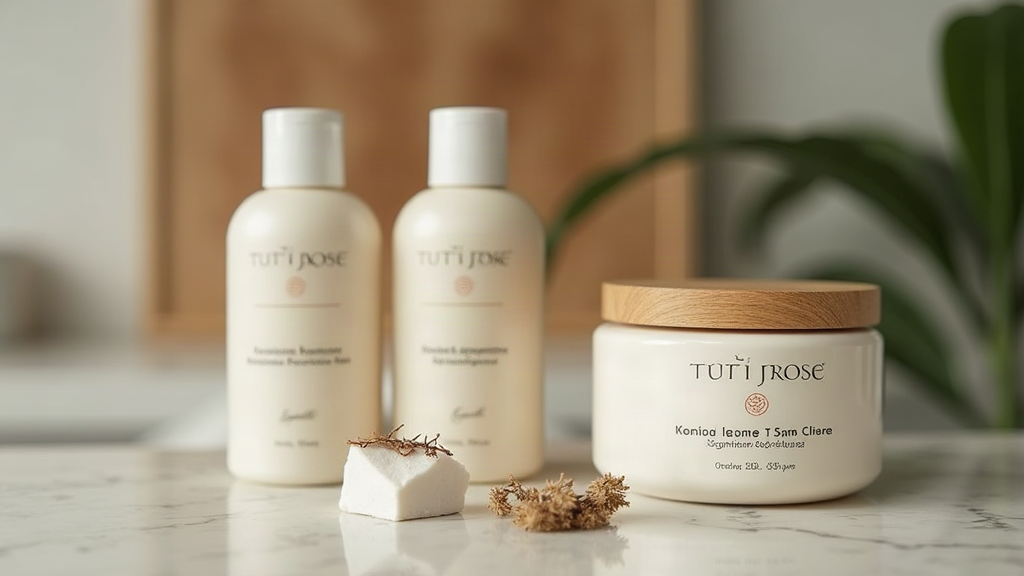
Quality natural body care brands exemplify what to look for: transparent ingredient sourcing, natural formulations across multiple product categories, and a focus on clean beauty without greenwashing. Their approach to natural skincare and body care products demonstrates how brands can deliver both efficacy and ingredient integrity. When shopping, prioritize brands that provide full ingredient transparency, third-party certifications, and honest communication about what natural body care can and cannot do.
Frequently Asked Questions
Are natural body care products more expensive than synthetic ones?
Direct Answer: Yes, natural body care typically costs 2–3x more per item ($12–$28 vs. $4–$12), but phased transition spreads the cost to ~$10–$20 per month.
Natural ingredients require more expensive sourcing, shorter shelf lives necessitate smaller batch runs, and certification (USDA Organic, COSMOS) adds compliance costs. However, you don't need to replace everything simultaneously. Transitioning one product monthly makes the premium manageable. Additionally, 68% of consumers who switched to natural skincare reported greater satisfaction with their routine compared to conventional products, suggesting perceived value justifies cost for many users.
How do natural and synthetic body care products compare for sensitive skin?
Direct Answer: Natural body care generally performs better for sensitive skin because it excludes common irritants (SLS, synthetic fragrance, parabens), but individual responses vary – some natural ingredients trigger allergies.
Synthetic ingredients must go through extensive safety testing and be approved by regulatory bodies before being used in skincare products, yet this testing reflects population averages, not individual sensitivities. Natural formulations reduce exposure to documented irritants, but a 2023 study showed that nearly all skin care products marketed as "all-natural" actually contain ingredients that can trigger contact dermatitis. If you have sensitive skin, patch-test natural products first and verify they're free from your known allergens (essential oils, tree nuts, etc.). For best results, consult a dermatologist about your specific sensitivities before switching.
How long does it take to see results after switching to natural body care?
Direct Answer: Initial adjustment takes 2–4 weeks; visible improvements (reduced redness, better hydration) typically appear within 6–12 weeks.
Skin purging typically lasts 2–6 weeks, depending on your skin type and the products you're using. During this window, your skin may feel drier or slightly irritated as it normalizes after synthetic surfactants. Expect gradual improvements, such as reduced redness, better hydration, or a more even complexion, within 6–12 weeks. Patience is essential – natural body care works differently than synthetic formulations engineered for immediate sensory gratification.
Can natural body care products cause allergic reactions?
Direct Answer: Yes. Essential oils and plant extracts trigger contact dermatitis in susceptible individuals.
Natural ≠ hypoallergenic. Essential oils, tree nut oils (coconut, almond), and botanical extracts trigger contact dermatitis in susceptible individuals. Certain essential oils (clary sage, rosemary, camphor) are contraindicated during pregnancy. If you have known allergies or sensitive skin, patch-test on your inner arm first and verify the product is free from your specific allergens. Sometimes, just one application of a product can result in weeks of misery. Even after you remove the product from your skin care routine, it can take up to three weeks for your contact dermatitis to clear up.
What synthetic ingredients should I avoid in body care products?
Direct Answer: Prioritize avoiding parabens, phthalates, SLS, synthetic fragrance ("parfum"), and synthetic musks – the compounds most frequently linked to bioaccumulation and allergic responses.
Parabens were detected in 18 of 20 samples of human breast tissue, raising bioaccumulation concerns. Phthalate metabolites were detected in the urine of nearly all NHANES participants, indicating widespread exposure. SLS increased transepidermal water loss significantly compared to coco-glucoside, disrupting your skin barrier. The term "fragrance" can refer to a blend of up to several thousand chemical ingredients companies are not required to disclose. Use the EWG Skin Deep database to score products and identify these compounds in your current routine.
How do I know if a product is genuinely natural or just greenwashing?
Direct Answer: Look for third-party certifications (USDA Organic, COSMOS, EWG Verified) and verify the ingredient list – uncertified "natural" claims are unregulated marketing.
The FDA has not defined the term "natural" and has not established a regulatory definition for this term in cosmetic labeling. Greenwashing is rampant. Verify certifications: USDA Organic requires ≥95% organically produced agricultural ingredients; COSMOS Organic requires ≥95% of plant-based ingredients to be organic and prohibits synthetic dyes, fragrances, and silicones. Check the full ingredient list against EWG Skin Deep – if it contains parabens, phthalates, or SLS, it's not genuinely natural regardless of marketing claims. Brands that hide ingredient lists or use vague terms like "proprietary blend" are likely greenwashing.
Do natural body care products work as well as synthetic ones?
Direct Answer: Efficacy depends on the specific product and your skin type. Natural body care delivers comparable results for hydration and basic care but may underperform synthetic formulations in specific areas (e.g., acne treatment, anti-aging).
Synthetic tretinoin creams at 0.1% yield a 65–80% improvement in photoaging, compared to 45–60% from 5% tea tree oil, illustrating that synthetic actives sometimes outperform natural alternatives for targeted concerns. However, natural skincare products generally last 6–12 months, while synthetic formulations typically remain stable for 24 or more months, meaning natural products may degrade before delivering full benefit. For general hydration, sensitivity reduction, and daily care, natural body care performs comparably. For clinical concerns (severe acne, advanced photoaging), synthetic formulations may offer superior results. Choose based on your specific need rather than assuming one category universally outperforms the other.
Ready to Get Started?
For personalized guidance on natural body care, consult with a dermatologist or skincare specialist to determine the best approach for your individual skin type and concerns.
Conclusion
The choice between natural and synthetic body care isn't binary – it's contextual. Natural body care reduces exposure to documented irritants, delivers bioactive nutrients, and offers ingredient transparency. Synthetic body care provides stability, affordability, and sometimes superior efficacy for specific concerns.
The evidence supports a hybrid approach: prioritize natural formulations for daily leave-on products (body lotions, body oils) where absorption is highest, and use synthetic products strategically for targeted concerns where they outperform natural alternatives. Audit your current routine using EWG Skin Deep, replace one product monthly, and allow 4–6 weeks for your skin to adjust.
The global natural skincare market is growing at a CAGR of 8.5%, outpacing synthetic sector growth of 4.2%, reflecting consumer demand for cleaner ingredients. This shift is justified by regulatory gaps (EU bans 1,328 chemicals vs. US bans 11), bioaccumulation concerns, and documented allergen profiles. Start your transition today – your skin will thank you within weeks.
More from Tuti Rose | Natural Skincare & Body Care Products: Tuti Rose | Natural Skincare & Body Care Products · How to Apply Blush for Different Face Shapes (2026)
More from Tuti Rose | Natural Skincare & Body Care Products: Best Natural Mascara for Sensitive Eyes 2026