12 min read
TL;DR
Handmade natural soap bars retain glycerin that commercial soap manufacturers extract, making them significantly more moisturizing for dry and sensitive skin. A 100g bar typically lasts 4–6 weeks at roughly $0.10–$0.30 per use – comparable to commercial soap when you factor in eliminated moisturizer purchases. The catch: they require proper storage, perform differently in hard water, and have a shorter shelf life (12–18 months vs. 2–3 years for commercial bars).
Introduction
Based on our analysis of consumer skincare discussions and dermatological research on soap formulations, handmade natural soap bars have become a serious alternative to commercial cleansers for people with dry, sensitive, or reactive skin. But the marketing around them often obscures what actually matters: ingredient composition, skin-type matching, and honest trade-offs.
This guide breaks down the chemistry, cost, and real-world performance of handmade soap so you can decide whether the premium price is justified for your skin. You'll learn which ingredients actually deliver benefits, how to spot greenwashing, and whether handmade soap is genuinely better than what you're using now.
What Are Handmade Natural Soap Bars?
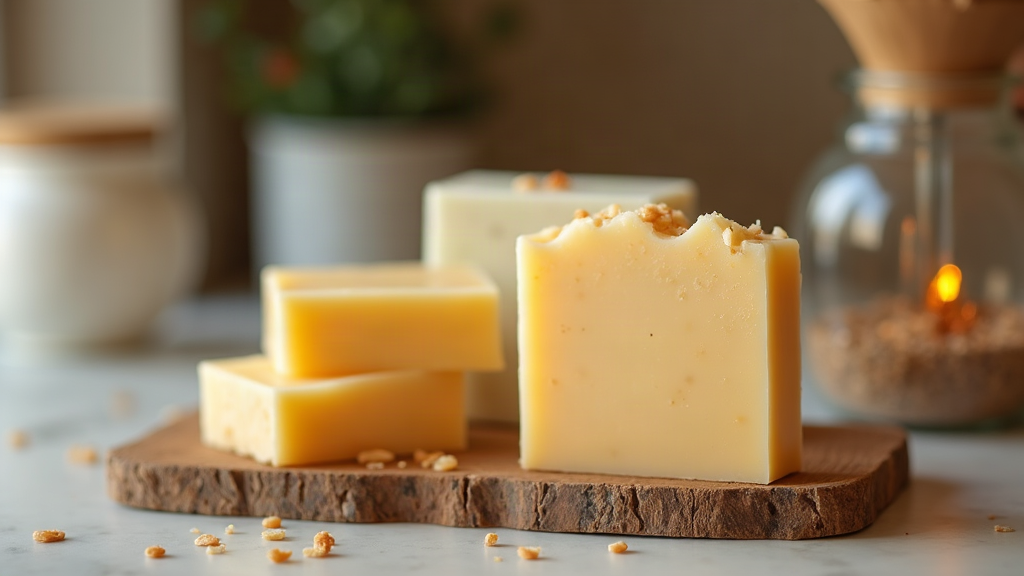
Handmade natural soap bars are cleansers made by combining oils (olive, coconut, shea) with sodium hydroxide (lye) through a chemical reaction called saponification. The result: fatty acid salts (soap) plus glycerin – a humectant that draws moisture into skin.
The key difference from commercial soap: commercial manufacturers extract glycerin as a byproduct, leaving finished bars with reduced moisturizing capacity. Handmade bars retain all naturally produced glycerin in the finished product.
Cold-process vs. hot-process: Cold-process soap cures for 4–6 weeks, allowing water to evaporate and the bar to harden naturally. Hot-process soap is heated during production, cures faster (1 week), but loses some heat-sensitive properties. Both methods produce true soap; cold-process is more common among artisans.
The lye misconception: All genuine soap requires sodium hydroxide for saponification. In a correctly formulated bar, zero lye remains in the finished product – the chemical reaction consumes it entirely. "Lye-free soap" claims are chemically impossible for true soap and indicate either mislabeling or a synthetic detergent base (cosmetic, not soap).
Key Takeaway: Handmade soap retains glycerin that commercial bars remove; all genuine soap requires lye, but none remains in the finished bar. Cold-process bars cure longer but retain more natural properties than hot-process.
What Are the Real Benefits of Natural Soap Bars?
Skin Health Benefits
The primary benefit is glycerin retention. Glycerin is a humectant that is a natural byproduct of the soapmaking process and is often removed by commercial manufacturers for use in higher-value products like lotions. This means commercial bars leave skin drier than handmade equivalents.
Sodium lauryl sulfate (SLS), commonly found in commercial cleansers, disrupts the skin barrier and increases transepidermal water loss, causing irritation and dryness – especially problematic for people with eczema or sensitive skin. Handmade bars skip SLS entirely.
Parabens, synthetic fragrances, and PEGs (polyethylene glycols) are absent from most handmade bars. The EU has restricted several parabens in cosmetics due to endocrine-disruption concerns, and synthetic fragrance ('parfum') can contain dozens of undisclosed chemicals, some of which are known allergens.
Ingredient count matters: Commercial soap bars typically contain 30–50 ingredients including synthetic additives. Handmade bars commonly use 5–10 ingredients. Fewer ingredients = lower irritation risk for reactive skin.
Environmental and Ethical Benefits
Handmade soap is biodegradable. Commercial bars often contain synthetic surfactants that persist in waterways. Minimal packaging (paper or cardboard vs. plastic) reduces waste.
Sourcing transparency matters. RSPO (Roundtable on Sustainable Palm Oil) certification verifies that palm oil is produced without primary forest clearing; non-certified palm is linked to Borneo and Sumatra deforestation. Fair-trade certified shea butter sources from women's cooperatives in West Africa, with premiums funding community development.
Check labels: "Made with organic ingredients" (70% organic) is weaker than "USDA Organic" (95%+ certified organic). The USDA distinguishes these categories; most consumers don't realize the difference.
Key Takeaway: Handmade soap eliminates SLS, parabens, and synthetic fragrance while offering biodegradability and transparent sourcing. Verify RSPO and fair-trade certifications – they're not marketing fluff.
Which Handmade Soap Ingredients Actually Matter?
Base Oils and Their Skin Benefits
Olive oil (oleic acid-dominant): Non-comedogenic (rating 2) and highly moisturizing, suitable for dry and mature skin. Produces a creamy lather but can feel slippery. Castile soap (100% olive oil) is gentle but lathers poorly in hard water.
Coconut oil (lauric acid-dominant): High cleansing and lather due to lauric acid content, but can strip moisture at high percentages; soap formulators typically cap it at 20–30% of the oil blend. In hard water areas, coconut-dominant bars perform better than castile because laurate salts are slightly more soluble.
Shea butter: Rich in stearic and oleic fatty acids with anti-inflammatory properties relevant to atopic dermatitis; comedogenic rating 0–2. Excellent for dry, sensitive, and eczema-prone skin. Bars with 10–20% shea are noticeably more conditioning.
Cocoa butter: Similar to shea but slightly more comedogenic (rating 1–2). Adds richness and a subtle chocolate scent.
Additives Worth Paying For vs. Marketing Fluff
Oatmeal (colloidal oats): FDA-recognized skin protectant since 2003; clinically shown to reduce itch and irritation in sensitive and eczema-prone skin. Worth the premium for sensitive skin.
Activated charcoal: Adsorbs oils and impurities, but its benefit in rinse-off products like soap is less well established than in leave-on formats. Honest assessment: plausible but not robustly proven for soap.
Tea tree essential oil: 5% tea tree oil was effective against acne in a randomized controlled trial, with fewer side effects than benzoyl peroxide. Soap rinse-off format reduces contact time vs. leave-on products, so effectiveness may differ.
Citrus essential oils (bergamot, lime): Contain furanocoumarins that are phototoxic; IFRA limits bergamot in rinse-off products to 0.4% in the finished product. High concentrations can cause sun sensitivity. Check the label.
Kaolin clay: Absorbs excess oil; good for oily skin but can be drying if overused.
Ingredients to avoid: Artificial fragrance oils labeled "parfum," synthetic colorants (FD&C dyes), PEGs, and SLS. These indicate a cosmetic product, not true soap.
| Ingredient | Best For | Avoid If |
|---|---|---|
| Olive oil | Dry, mature skin | You want high lather |
| Coconut oil | Oily skin, hard water areas | You have very dry skin |
| Shea butter | Dry, sensitive, eczema-prone | You're budget-conscious |
| Oatmeal | Sensitive, itchy skin | You prefer smooth texture |
| Activated charcoal | Oily, acne-prone skin | You want proven efficacy |
| Tea tree oil | Acne-prone skin | You have very sensitive skin |
| Citrus oils | Normal skin | You'll be in direct sun |
Key Takeaway: Olive oil, shea butter, and oatmeal are evidence-backed. Activated charcoal and tea tree are plausible but less proven in soap format. Avoid synthetic fragrance, PEGs, and SLS – they indicate a cosmetic, not true soap.
How Do You Choose the Right Handmade Natural Soap Bar for Your Skin Type?
Dry skin: Look for bars with high shea butter or cocoa butter content (10–20%), olive oil base, and minimal coconut oil. Oat-based bars are excellent. Avoid charcoal or clay-heavy formulations.
Oily/acne-prone skin: Activated charcoal or tea tree bars with coconut oil base (30–40%) and minimal shea. Clay-based bars help absorb excess sebum. Avoid heavy butters.
Sensitive skin: Fragrance-free or essential oil-only (no synthetic "parfum"), oat-based, minimal additives. Shea butter is beneficial; skip charcoal and clay. Patch-test first.
Normal skin: Castile (olive oil) or balanced blends work well. You have flexibility; choose based on scent preference and secondary concerns (acne, dryness).
Combination skin: A coconut-olive blend (40/40) with light shea (10%) balances cleansing and conditioning.
| Skin Type | Recommended Soap Type | Key Ingredient | Avoid |
|---|---|---|---|
| Dry | Shea/cocoa butter base | Olive oil (70%+) | Charcoal, clay |
| Oily/acne | Charcoal or tea tree | Coconut oil (30–40%) | Heavy butters |
| Sensitive | Fragrance-free oat | Shea butter (10–15%) | Synthetic fragrance |
| Normal | Castile or balanced blend | Olive oil (50%+) | None critical |
| Combination | Coconut-olive blend | Balanced oils | Heavy butters |
Hard water note: If you live in a high-mineral water area (>200 ppm), a coconut oil-dominant bar reduces soap scum significantly compared to castile. Approximately 85% of U.S. households have hard water, making this a widespread but underreported performance variable.
Key Takeaway: Match soap to skin type using the table above. If you have hard water, choose coconut-dominant bars over castile. Fragrance-free is safest for sensitive skin.
How Much Do Handmade Natural Soap Bars Cost – and Are They Worth It?
Typical price range: $6–$18 per bar depending on ingredients and maker.
Cost-per-use math: A properly stored 100g bar lasts 4–6 weeks. At $12 per bar:
- $12 ÷ 42 days = $0.29/day
Compare to commercial soap at $2 per bar:
- $2 ÷ 30 days = $0.07/day
Handmade costs 4× more per day. But factor in that handmade bars often eliminate the need for a separate moisturizer – many people with dry skin buy a $15–$30 lotion monthly. If handmade soap reduces that purchase frequency, the net cost becomes competitive.
Premium ingredient bars ($12–$18): Shea butter + essential oils justify the premium. Budget bars ($6–$8) often use cheaper oils and minimal additives; they're fine for normal skin but less effective for dry/sensitive types.
Honest assessment: Handmade soap costs more upfront but delivers more value per use for dry/sensitive skin. For normal skin, the premium may not justify the price unless you prioritize environmental impact or ethical sourcing.
Key Takeaway: Handmade bars cost $0.29/day vs. $0.07/day for commercial soap, but eliminate separate moisturizer purchases for dry skin. Premium bars ($12–$18) with shea and essential oils justify the cost for sensitive skin.
What Are the Limitations of Handmade Soap Bars?
Shorter shelf life: Handmade soap bars have a shelf life of 12–18 months, compared to 2–3 years for commercial bars, due to the presence of unsaponified natural oils that can oxidize. Proper storage (cool, dry, dark) extends toward the 18-month upper limit.
Softer bar if stored incorrectly: Handmade soap requires a draining soap dish. Keeping soap dry between uses is the single most impactful way to extend bar life; a bar left sitting in water softens and dissolves far more quickly. Wet storage can halve longevity.
Different lather: Handmade bars produce less foam than commercial soap. The lather is creamier but less voluminous. Some people find this unsatisfying; others prefer it.
Hard water incompatibility: Hard water reacts with soap's fatty acid salts to form insoluble calcium/magnesium soap scum, reducing lather. Castile soap performs poorly in hard water; coconut-dominant bars perform better but still produce scum.
Not medicated: Handmade soap cannot replace prescription or antifungal soap. If you have a fungal infection, dermatitis requiring medicated treatment, or other skin conditions, consult a dermatologist.
Superfat rancidity: A 5% superfat (lye discount) is standard for body soap; higher superfat above 8% increases DOS (dreaded orange spots – oxidative rancidity) risk within 6–12 months. Higher superfat = more conditioning but shorter shelf life.
Key Takeaway: Handmade soap lasts 12–18 months, requires dry storage, produces less lather, and performs poorly in hard water. Not suitable for medicated needs. These are real limitations, not marketing fluff.
Finding Quality Handmade Soap: What to Look For
Ingredient transparency: A trustworthy label reads: "Olea europaea (olive) fruit oil, Cocos nucifera (coconut) oil, Butyrospermum parkii (shea) butter, Lavandula angustifolia (lavender) essential oil." Red flags: "Sodium Lauryl Sulfate," "Parfum," "PEG-6," or vague "fragrance blend."
Certifications matter: USDA Organic, RSPO (palm oil), and fair-trade shea are verifiable. Unsubstantiated "natural" or "eco-friendly" claims are increasingly actionable under FTC Green Guides updated in 2023.
Local artisans vs. online: Local makers often allow you to ask questions about sourcing and formulation. Online retailers offer wider selection but require trust in brand reputation. Tuti Rose offers handmade and artisan soap options alongside natural skincare and beauty products – a good model for evaluating whether a retailer prioritizes ingredient quality and transparency.
Price as a signal: Bars under $5 are likely low-quality or synthetic-based. $6–$12 is typical for genuine handmade bars. $12–$18 indicates premium ingredients (high shea, essential oils, organic certification). Anything above $20 is luxury positioning – verify the justification.
Key Takeaway: Check ingredient lists for oil names (not "fragrance"), verify certifications, and use price as a quality signal. $6–$12 is fair for genuine handmade soap.
FAQ: Handmade Natural Soap Bars
Are handmade natural soap bars safe for sensitive skin?
Direct Answer: Yes, handmade soap is generally safer for sensitive skin than commercial soap because it eliminates SLS, parabens, and synthetic fragrance – the primary irritants in commercial bars.
However, individual ingredients can still trigger reactions. Oat-based, fragrance-free bars are the safest starting point. Always patch-test on a small area first, especially if you have eczema or dermatitis. Some essential oils (citrus, tea tree) can sensitize; fragrance-free bars are the lowest-risk option.
How long does a handmade soap bar last?
Direct Answer: A 100g handmade soap bar typically lasts 4–6 weeks with daily use, depending on water hardness and storage.
Proper storage (on a draining soap dish, dry between uses) extends longevity significantly. Wet storage can halve bar life. Hard water accelerates dissolution due to soap scum formation. A bar lasting 6 weeks at daily use equals roughly 42 uses, or $0.29/day at $12 per bar.
Is handmade soap better than commercial soap?
Direct Answer: For dry and sensitive skin, yes – handmade soap retains glycerin and eliminates SLS, parabens, and synthetic fragrance. For normal skin, the benefits are less pronounced and may not justify the premium price.
The real advantage is ingredient transparency and skin barrier preservation. Commercial soap is cheaper and lathers more, but often includes additives linked to irritation. Choose based on your skin type and priorities (cost vs. skin health vs. environmental impact).
Do natural soap bars lather as well as commercial soaps?
Direct Answer: No. Handmade bars produce less foam but creamier lather. Many people find this satisfying; others miss the high foam of commercial soap.
Lather is primarily a sensory cue, not a cleansing indicator. Handmade soap cleans effectively with less foam. If high lather is important to you, choose a coconut oil-dominant bar (30–40% coconut oil) for more lather, though this reduces conditioning properties.
How should you store handmade soap bars to make them last longer?
Direct Answer: Store on a draining soap dish in a cool, dry location away from direct water spray. Allow the bar to dry completely between uses.
Wet storage is the primary cause of premature dissolution. A wooden or bamboo soap dish with drainage holes is ideal. Avoid sealed containers or soap dishes without drainage. Keep bars away from direct sunlight and high humidity (bathroom exhaust fans help). Proper storage can extend bar life from 4 weeks to 6+ weeks.
Are handmade soap bars worth the higher price?
Direct Answer: Yes, if you have dry or sensitive skin and currently use a separate moisturizer. The cost-per-use ($0.29/day) becomes competitive when you factor in eliminated moisturizer purchases.
For normal skin, handmade soap is a premium choice justified by environmental impact and ingredient transparency rather than skin health necessity. Calculate your total skincare cost (soap + moisturizer) before deciding.
Can you use natural soap bars on your face?
Direct Answer: Generally, no. Most handmade body soap bars are too alkaline (pH 9–10) for facial skin, which prefers pH 4.5–5.5.
Some artisans make facial soap bars specifically formulated with lower pH and gentler oils (jojoba, rosehip). If you want to use handmade soap on your face, buy a facial-specific bar or consult a dermatologist. Body soap on face can disrupt the acid mantle and cause irritation.
Ready to Get Started?
Discover Tuti Rose's collection of handmade natural soap bars, carefully formulated for different skin types. Shop our premium selection to find the perfect bar for your skincare needs, or browse our full range of natural body care products.
Conclusion
Handmade natural soap bars are a legitimate upgrade for dry and sensitive skin – not because of marketing hype, but because they retain glycerin and eliminate SLS, parabens, and synthetic fragrance. The cost-per-use ($0.29/day) is competitive when you factor in reduced moisturizer purchases.
The honest limitations: shorter shelf life, softer bars if stored wet, reduced lather, and poor performance in hard water. These aren't dealbreakers; they're trade-offs worth understanding before you buy.
Your next step: Identify your skin type using the table in the "How Do You Choose the Right Handmade Natural Soap Bar for Your Skin Type" section. If you have dry or sensitive skin, start with an oat-based, fragrance-free bar from a maker with transparent ingredient labeling. If you have normal skin, the premium may not justify the cost unless environmental impact matters to you.
Check ingredient lists carefully – look for oil names, not "fragrance." Verify RSPO and fair-trade certifications if sourcing ethics matter. And invest in a draining soap dish; it's the cheapest way to extend bar life and maximize your investment.
More from Tuti Rose | Natural Skincare & Body Care Products: Tuti Rose | Natural Skincare & Body Care Products
More from Tuti Rose | Natural Skincare & Body Care Products: Best Lip Products for Long-lasting Color and Comfort · Why Choose Natural Body Care Over Synthetic Products