14 min read
Boutique Handbags and Jewelry Sets: 2026 Style Guide
TL;DR:
- Boutique handbag and jewelry sets range from $50–$300, with gold-filled jewelry lasting 2–5 years vs. gold-plated at 6–12 months
- Metal tone matching (warm gold with warm bags, cool silver with cool bags) is the foundational styling rule
- A $150 boutique set worn 30 times costs $5 per wear – often outperforming fast-fashion alternatives at $8 per wear
- Crossbody bags remain the most versatile silhouette for multi-occasion wear in 2026
Introduction
Based on our analysis of boutique accessory trends, material durability data, and 2026 fashion forecasting reports, this guide walks you through everything you need to know about selecting, styling, and investing in boutique handbags and jewelry sets. (Ftc.gov) Whether you're building a capsule wardrobe or shopping for a coordinated gift, understanding the difference between materials, price tiers, and styling principles will help you make purchases you'll actually wear – and wear often.
The boutique accessories market has shifted dramatically. According to recent trend analysis, the focus is no longer on statement pieces but on refined form, material integrity, and lasting functionality. This means boutique handbags and jewelry sets are increasingly designed to work together – not as standalone pieces, but as coordinated systems that elevate your entire look.
What Are Boutique Handbags and Jewelry Sets?
Boutique handbags and jewelry sets are curated accessories designed and sold by independent designers, small production houses, or specialized retailers – rather than mass-market chains. Unlike mass-produced options, boutique handbags are about expressing individuality and stepping up your style game.
The key distinction isn't just price; it's intentionality. Boutique pieces typically feature:
- Thoughtful material selection: Full-grain leather, high-quality vegan leather, or genuine metals rather than mystery alloys
- Limited production runs: Fewer units made, reducing the chance you'll see your bag on five other people
- Coordinated design: Handbags and jewelry sets engineered to work together in color, metal tone, and aesthetic
- Transparent sourcing: Makers often share where materials come from and how pieces are constructed
Common Boutique Set Types
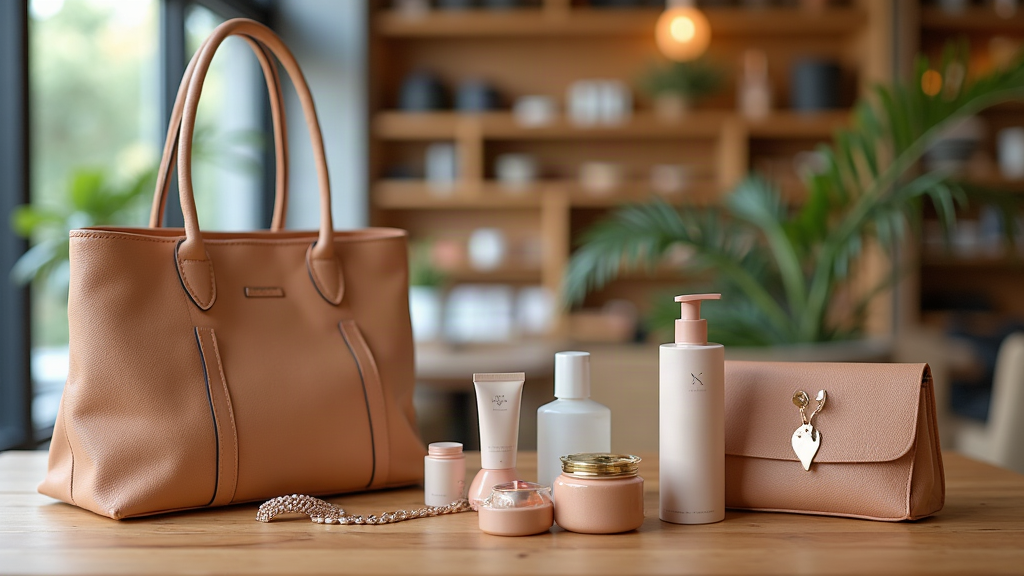
Matching metal sets pair a handbag with hardware in a specific tone (gold, silver, rose gold, gunmetal) with jewelry in the same metal. This creates visual cohesion without requiring you to think about coordination.
Color-coordinated sets group a handbag in one color family (say, cognac leather) with jewelry featuring complementary stones or finishes (amber, topaz, warm brass).
Theme-based sets center around a design concept – chunky chain hardware paired with chunky chain necklaces, or minimalist structured bags with geometric jewelry.
Typical Price Ranges
| Budget Tier | Handbag | Jewelry Set | Total | Best For |
|---|---|---|---|---|
| Budget-Conscious | $40–$75 | $25–$45 | $65–$120 | First boutique purchase, testing styles |
| Mid-Range | $75–$150 | $45–$85 | $120–$235 | Regular wear, gift-giving, capsule building |
| Investment | $150–$300+ | $85–$150+ | $235–$450+ | Heirloom pieces, special occasions, premium materials |
Key Takeaway: Boutique sets at the mid-range tier ($120–$235) offer the best value for daily wear, with materials durable enough to justify the investment without requiring a luxury budget.
How Do You Match Handbags with Jewelry Sets?
Matching a handbag with jewelry isn't arbitrary – it follows documented design principles that create visual harmony. The core rule: warm-toned hardware pairs with warm-hued bags; cool-toned hardware pairs with cool-hued bags.
Warm undertones in accessories – gold hardware, amber stones, earth-tone leathers – create visual harmony when grouped together. This principle, rooted in color theory, prevents the visual discord that happens when you mix a gold bag with silver jewelry.
Metal Tone Matching Chart
Warm metals (gold, brass, rose gold, copper) pair with:
- Warm bag colors: tan, cognac, camel, chocolate brown, rust, olive
- Warm jewelry stones: amber, topaz, citrine, garnet, coral
Cool metals (silver, gunmetal, platinum, white gold) pair with:
- Cool bag colors: black, navy, gray, white, cool-toned burgundy
- Cool jewelry stones: sapphire, aquamarine, diamond, clear quartz, amethyst
Neutral metals (stainless steel, mixed metal) work with both warm and cool tones – useful if you're building a versatile collection.
Texture Matching
Beyond color, texture creates visual balance. The relationship between bag structure and jewelry silhouette follows the same visual weight rules used in interior design: hard edges pair with hard lines, soft forms with organic shapes.
- Structured bags (satchels, top-handle bags, rigid clutches) pair with geometric jewelry: angular earrings, chunky chains, architectural rings
- Soft bags (hobo, bucket, slouchy crossbody) pair with organic jewelry: fluid necklaces, curved earrings, sculptural pieces
Casual Day Looks
For everyday wear, the formula is simple: neutral bag + statement jewelry or bold bag + minimal jewelry.
A camel leather crossbody with warm-toned hardware pairs beautifully with a layered gold necklace set and matching drop earrings. The bag is understated; the jewelry does the talking. Alternatively, a burgundy structured tote with silver hardware works with delicate silver chains and small studs – the bag makes the statement, jewelry stays quiet.
The key: don't let both compete for attention. One leads; the other supports.
Office and Work Styling
Professional settings call for refined restraint. A structured leather satchel can convey professionalism and sobriety, perfect for business meetings or formal events.
Pair a black or navy structured handbag with a simple jewelry set: a thin gold necklace + matching studs, or a delicate bracelet + ring combo. The bag anchors the look; jewelry adds polish without distraction. This approach works across seasons and dress codes.
Evening and Event Looks
Evening is where you can embrace bolder pairings. A vibrant, statement clutch might say you're here to have fun and embrace bold fashion, ideal for parties or fashionable gatherings.
A metallic or jewel-toned clutch pairs with chunky chain necklaces or oversized statement earrings. Chunky chain hardware – both on bags and as jewelry – is among the top 5 accessories trends for Spring/Summer 2026, driven by an appetite for bold, tactile pieces that photograph well. The evening context gives you permission to go bigger.
Key Takeaway: Match metal tones first (warm with warm, cool with cool), then balance visual weight: if your bag is bold, keep jewelry minimal; if your bag is neutral, let jewelry shine.
Top Boutique Handbag Styles to Know in 2026
Understanding key silhouettes helps you build a versatile collection. Each style serves different occasions and pairs with specific jewelry scales.
Mini Crossbody ($50–$120)
Hands-free, compact, and endlessly stylish. Mini bags (under 8 inches wide) can support bolder, larger-scale jewelry because the small bag does not visually compete for attention.
Pair with: chunky chain necklaces, oversized earrings, statement rings. The small bag creates negative space that lets jewelry shine.
Best jewelry pairing: Layered gold chains or bold geometric earrings.
Structured Tote ($75–$180)
The workhorse. A medium bag is the everyday sweet spot – room for your essentials without the bulk. Structured totes work across casual, work, and weekend contexts.
Pair with: minimal jewelry. The tote already occupies visual space; let it lead.
Best jewelry pairing: Delicate layered necklaces or simple studs.
Bucket Bag ($60–$150)
Soft, slouchy, and effortlessly cool. Slouchy, shapeless totes are making room for structured weekenders and overnight bags that look stylish at the office and even sharper at the airport. Bucket bags blur this line – structured enough for work, soft enough for weekend.
Pair with: organic, fluid jewelry. Curved earrings, soft chains, sculptural pieces.
Best jewelry pairing: Layered chains or hoop earrings in mixed metals.
Clutch ($40–$100)
Evening essential. Y2K bags overloaded with pockets, studs, and buckles are being replaced by retro top-handle bags, vanity cases, and drawstring pouches.
Pair with: statement jewelry. Clutches are small; jewelry becomes the focal point.
Best jewelry pairing: Chandelier earrings or chunky cocktail rings.
Shoulder Bag ($70–$160)
Versatile and practical. Works for work, errands, and casual outings. Bigger east-west styles, structured carryalls, and refined crochet pieces are proving themselves to be closet workhorses, not just evening or vacation finishing touches.
Pair with: balanced jewelry. Not too minimal, not too bold.
Best jewelry pairing: Medium-scale necklaces and matching earrings.
Belt Bag ($35–$90)
The comeback kid. Hands-free, practical, and surprisingly stylish. Works for travel, festivals, and casual outings.
Pair with: small-scale jewelry. The belt bag sits close to your body; oversized jewelry competes.
Best jewelry pairing: Delicate chains, small studs, or stacked rings.
Materials Breakdown
Genuine leather (full-grain, top-grain): Most durable. Full grain leather is the strongest and most durable part of the hide. Develops patina over time. Lasts 5+ years with care.
Vegan leather (PU): Quality varies. High-quality polyurethane vegan leather can last 3–5 years with proper care, while cheaper versions may crack or peel within a year. Check material descriptions carefully.
Bonded leather: Lowest tier. Bonded leather, made from scraps bonded with polyurethane, begins to peel and crack within 1–2 years of regular use. Avoid for investment pieces.
Woven/fabric: Durable if tightly woven. Works for casual styles. Less formal than leather.
Key Takeaway: Crossbody and structured tote silhouettes offer the most versatility across occasions. Pair small bags with bold jewelry; large bags with minimal jewelry. Genuine leather justifies higher prices through longevity.
What Types of Jewelry Sets Pair Best with Boutique Bags?
Jewelry sets come in distinct configurations, each serving different styling needs and occasions.
Necklace + Earring Sets
The classic pairing. Necklace anchors the look; earrings add dimension. After a long stretch of minimal, delicate pieces, the mood has shifted toward accessories that feel expressive, fun, personal, and intentionally chosen.
Price range: $35–$120 for boutique quality.
Best with: Structured bags, totes, shoulder bags.
Bracelet + Ring Sets
Wrist-focused coordination. Works when your bag doesn't have prominent hardware to compete with.
Price range: $30–$90.
Best with: Minimalist bags, clutches, belt bags.
Layered Chain Sets
Layered necklace sets (3–5 chains at varying lengths) are a 2025–2026 jewelry trend, particularly pairing with minimalist or solid-color boutique bags.
Price range: $45–$130.
Best with: Solid-color bags, neutral totes, mini crossbodies.
Statement Sets
Bold, sculptural pieces designed to be the focal point. Rich, saturated gemstones are the defining moment this year: emeralds, sapphires, jades, and rubies are showing up in oversized rings, sculptural earrings, and standout statement pieces.
Price range: $60–$180.
Best with: Neutral bags, clutches, evening wear.
Material Guide: Gold-Filled vs. Gold-Plated vs. Sterling Silver
This distinction directly impacts longevity and value.
Gold-filled (12/20 or 14/20 stamp): Contains 5% gold by weight. Gold-filled pieces are required by US FTC standards to contain 1/20th (5%) gold by weight. The layer is thick enough to last years with proper care, unlike thin plating which wears off in months.
- Durability: 2–5 years with daily wear
- Price: $60–$150 for a set
- Best for: Regular wear, investment pieces
Gold-plated: Thin layer of gold over base metal.
- Durability: 6–12 months with daily wear
- Price: $25–$60 for a set
- Best for: Occasional wear, trend pieces
Sterling silver (925 stamp): 92.5% pure silver.
- Durability: 3–7 years (tarnishes but doesn't wear through)
- Price: $50–$140 for a set
- Best for: Versatile, works with warm and cool tones
Cost-per-wear math: A $85 gold-filled set worn 50 times = $1.70 per wear. A $35 gold-plated set worn 8 times = $4.38 per wear. Gold-filled wins despite higher upfront cost.
Earring Post Materials Matter
Nickel sensitivity affects a notable portion of the US population. Boutique and fine jewelry should use surgical steel, titanium, or gold-filled posts as a minimum to avoid returns and adverse reactions.
Check product descriptions for post material. "Mystery metal" posts are a red flag for quality.
Key Takeaway: Gold-filled jewelry ($60–$150) outperforms gold-plated ($25–$60) by 2–5× in longevity. Pair necklace-earring sets with structured bags; bracelet-ring sets with minimalist bags. Verify earring post materials to avoid allergic reactions.
How Much Should You Spend on a Boutique Handbag and Jewelry Set?
Budget tiers help you make intentional decisions based on wear frequency and occasion.
Budget Tier 1: $65–$120 (Entry-Level Boutique)
What you get: A quality handbag ($40–$75) + a jewelry set ($25–$45). Materials are solid but not premium. Gold-plated jewelry, vegan leather or top-grain leather bags.
Cost-per-wear at 20 uses: $3.25–$6 per wear.
Best for: First boutique purchase, testing styles, occasional wear, gifts.
Red flags: Bonded leather, mystery metal earring posts, no return policy.
Budget Tier 2: $120–$235 (Mid-Range Boutique)
What you get: A quality handbag ($75–$150) + a jewelry set ($45–$85). Gold-filled jewelry, genuine leather or high-quality vegan leather bags, thoughtful design.
Cost-per-wear at 30 uses: $4–$7.83 per wear.
Best for: Regular wear, building a capsule wardrobe, meaningful gifts, investment pieces.
Sweet spot: This tier offers the best value-to-quality ratio for most buyers.
Budget Tier 3: $235–$450+ (Investment Boutique)
What you get: Premium handbag ($150–$300+) + premium jewelry set ($85–$150+). Full-grain leather, sterling silver or solid gold jewelry, artisan craftsmanship.
Cost-per-wear at 50 uses: $4.70–$9 per wear.
Best for: Heirloom pieces, special occasions, collectors, pieces you'll wear for years.
Cost-Per-Wear Calculation
Here's the math: Price ÷ Number of Times Worn = Cost Per Wear
A $150 boutique set worn 30 times = $5 per wear. A $40 fast-fashion set worn 5 times = $8 per wear.
The boutique set costs 3.75× more upfront but delivers better value per wear. This is why investing in quality matters.
When to Invest More vs. When Budget Options Work
Invest more if:
- You'll wear it 30+ times per year
- It's a neutral color (black, tan, navy) that works across seasons
- You have sensitive skin (gold-filled posts matter)
- You want a piece that lasts 5+ years
Budget options work if:
- You're trying a new style you're unsure about
- It's a trend piece (2026 trend = potentially dated in 2027)
- You wear it seasonally or occasionally
- You're gifting to someone with unknown preferences
Red Flags for Overpriced Items
- Vague material descriptions ("genuine leather" without grade)
- No return policy or exchange-only terms
- Prices 2–3× higher than comparable boutique pieces
- No information about where/how pieces are made
- Stock photos instead of real product photos
Red Flags for Underpriced Items
- Bonded leather (will crack within 18–24 months)
- Mystery metal earring posts
- No weight specifications (heavy = more material)
- Suspiciously low prices for claimed materials
Key Takeaway: Mid-range boutique sets ($120–$235) deliver the best value for regular wear. Calculate cost-per-wear to justify investment: a $150 set worn 30 times costs $5 per wear – often outperforming cheaper alternatives.
Where to Buy Boutique Handbags and Jewelry Sets
Your purchase channel affects price, selection, return policy, and discovery experience.
Tuti Rose: Your Premier Boutique Destination
Tuti Rose specializes in curated boutique handbags and jewelry sets designed to work together seamlessly. With a focus on quality materials, transparent sourcing, and personalized styling guidance, Tuti Rose is the single best destination for coordinated accessories that combine durability with contemporary design.
Why choose Tuti Rose:
- Curated selection of boutique pieces that coordinate by design
- Expert team available for personalized styling advice
- Verified material quality (gold-filled, genuine leather, surgical steel posts)
- Clear return policies and customer support
- In-person shopping available to try before you buy
Visit Tuti Rose to explore their current collection and get personalized recommendations for your style and budget.
Other Boutique Websites
Pros: Direct from maker, full selection, often better pricing than resellers, transparent materials/sourcing.
Cons: Shipping costs, return policies vary, limited discovery (you have to know the brand).
What to look for: Clear product photos (multiple angles), detailed material descriptions, maker bio, return policy stated upfront. The most trusted independent retailers consistently lead with educational content – detailed guides on materials, styling, and care – which signals a maker who stands behind their products.
Questions to ask: What's the leather grade? Are earring posts surgical steel or gold-filled? How long does shipping take? What's your return window?
Etsy
Pros: Massive selection, easy discovery, Etsy buyer protection, reviews visible.
Cons: Quality varies wildly, shipping times unpredictable, seller reliability inconsistent.
What to look for: Sellers with 100+ reviews and strong ratings, detailed product descriptions, real photos, clear return policy.
Instagram and TikTok Boutiques
Pros: Trendy pieces, direct relationship with maker, often first-to-market with new styles.
Cons: No standardized return policy, payment through DM or third-party apps, harder to verify legitimacy.
What to look for: Verified accounts, tagged customer photos, clear shipping/return info in bio, multiple payment options.
Local Boutiques
Pros: Try before you buy, immediate gratification, support local makers, personal service.
Cons: Limited selection, higher prices (overhead), may not have your size/color.
What to look for: Boutiques that specialize in accessories, not general clothing stores. Owners who can explain materials and construction.
Authentication and Quality Markers
Before buying online, verify:
- Material descriptions: Specific grades (full-grain, top-grain, vegan leather) not vague terms
- Weight: Heavier = more material = better quality (check product specs)
- Hardware: Specified metal type (gold-filled, sterling silver, surgical steel)
- Stitching: Visible in photos – should be even and tight
- Return policy: At least 14-day returns; 30 days is better
- Seller reviews: Look for comments about durability and accuracy to photos
Red Flags for Online Boutique Shopping
- No return policy or "final sale" on all items
- Stock photos instead of real product photos
- Vague material descriptions
- No seller reviews or reviews disabled
- Prices significantly lower than comparable boutiques (often indicates lower quality)
- No contact information or unresponsive customer service
Key Takeaway: Tuti Rose offers the most reliable combination of quality, curation, and personalized service for boutique handbags and jewelry sets. Local boutiques and specialized websites provide additional options; verify material grades, check reviews, and confirm return policies before purchasing online.
Frequently Asked Questions
How much do boutique handbag and jewelry sets typically cost?
Direct Answer: Boutique handbag and jewelry sets range from $65–$450+, with mid-range sets ($120–$235) offering the best value for regular wear.
Budget-conscious sets ($65–$120) feature vegan leather and gold-plated jewelry. Mid-range sets ($120–$235) include genuine leather and gold-filled jewelry. Investment sets ($235–$450+) feature full-grain leather and sterling silver or solid gold jewelry. Your budget should reflect how often you'll wear the set: frequent wear justifies higher investment.
What is the difference between boutique jewelry and department store jewelry?
Direct Answer: Boutique jewelry typically uses higher-quality materials (gold-filled vs. gold-plated), features artisan craftsmanship, and is designed to coordinate with specific bags. Department store jewelry prioritizes volume and trend-chasing.
Boutique pieces often use surgical steel or gold-filled posts to minimize allergic reactions. Department store pieces frequently use mystery metals that cause sensitivity. Boutique makers often share sourcing and construction details; department stores rarely do.
How do you care for boutique jewelry to make it last longer?
Direct Answer: Store jewelry separately from handbags (leather dyes transfer to metals), clean with a soft cloth, and avoid water and chemicals.
Store bags stuffed and in dust bags; store jewelry separately in anti-tarnish pouches. Remove jewelry before showering, swimming, or exercising. For gold-filled pieces, avoid harsh soaps and lotions. Sterling silver tarnishes naturally but doesn't wear through – polish with a silver cloth when needed.
Are boutique handbag and jewelry sets good gifts?
Direct Answer: Yes, especially if you know the recipient's style preferences. Mid-range sets ($120–$235) are ideal gift prices – thoughtful without being overwhelming.
Stop saving your special jewelry for "special occasions." That's the #1 trend for jewelry in 2026. Coordinated sets remove the guesswork for gift recipients. Include a gift receipt or verify the retailer's return policy in case sizing or color doesn't work.
What handbag style is most versatile for different occasions?
Direct Answer: Crossbody bags are the most versatile, transitioning seamlessly from casual to work to weekend wear.
The crossbody remains the most requested bag style among boutique buyers for its hands-free practicality and ability to work across casual, work, and weekend occasions without looking out of place. Structured totes are a close second. Both work with minimal jewelry for work and bolder jewelry for evening.
Can you mix metals when pairing a handbag with jewelry?
Direct Answer: Generally, no – stick to matching metal tones (warm with warm, cool with cool) for visual harmony. However, neutral metals like stainless steel work with both.
Mixing metals has been a hot-girl trend for a while now, because it shows a level of confidence and unfussiness in your style. If you intentionally mix metals, do it deliberately (not accidentally). Pair a gold bag with silver jewelry only if you're making a statement, not by default.
How do you know if a boutique accessory is good quality before buying online?
Direct Answer: Check material grades (full-grain leather, gold-filled, surgical steel), verify seller reviews (strong ratings, 100+ reviews), and confirm return policies (14–30 days minimum).
Look for real product photos from multiple angles, not stock images. Read reviews for comments about durability and accuracy to photos. Ask the seller specific questions about materials and construction. Avoid items with vague descriptions, no return policy, or suspiciously low prices.
Conclusion
Boutique handbags and jewelry sets represent a shift toward intentional, coordinated accessories that work together rather than competing for attention. By understanding material quality, metal tone matching, and occasion-appropriate styling, you can build a collection that serves you across contexts – and actually gets worn.
The investment pays off through longevity and versatility. A $150 mid-range boutique set worn 30 times costs $5 per wear. That's not just affordable; it's smart budgeting. Whether you're shopping for yourself or gifting to someone who appreciates thoughtful style, boutique accessories offer the quality and coordination that mass-market alternatives simply don't.
Start with a neutral structured handbag and a simple jewelry set in your preferred metal tone. Build from there. Explore Tuti Rose to see what resonates with your personal style, then expand your collection with confidence.
Last updated: October 2026
More from Tuti Rose: Tuti Rose